
Releases | NXLog Agent | Red Hat | Critical infrastructure
NXLog Agent 6.15 adds RHEL 5 support: log collection for the systems you can't upgrade
Some of the most critical systems in your infrastructure are also the oldest. If you operate in energy, manufacturing, or government, chances are you have hosts still running Red Hat Enterprise Linux 5 or CentOS 5. Not because anyone forgot to upgrade them, but because upgrading them is not an option. The OS is frozen by compliance requirements, tied to certified industrial equipment, or locked to software that would break on anything newer.
Windows | Critical infrastructure | Telemetry collection
From blind spot to monitored: Log collection for 32-bit Windows
At NXLog, we’ve been in the log collection space long enough to know that the toughest challenges aren’t technical but political. There’s always that Windows XP machine running the ATM firmware that no one can touch. Or the Windows Server 2003 box that keeps the conveyor belt running 24/7. Then there’s the industrial SCADA system installed before smartphones existed, quietly humming along in a corner of the plant floor.
Windows | SCADA | Critical infrastructure | Telemetry collection
The case for not ripping and replacing: Securing Win32 infrastructure in place
The default advice for any system running an unsupported operating system is simple: replace it. Upgrade to a supported platform. Move to modern hardware. Problem solved.
It’s good advice in theory. However, as with many other things in life, in practice it ignores everything that makes legacy infrastructure hard to deal with in the first place.
For organizations running Windows XP, Server 2003, or other legacy 32-bit Windows systems, "just upgrade" is often the most expensive, disruptive, and operationally risky option on the table.
Windows | Critical infrastructure
Legacy Windows systems: Enterprise security's biggest blind spot
Somewhere in a hospital basement, an MRI machine hums along on Windows XP. Down the road, a CNC controller on a factory floor runs Windows Server 2003. Across town, a municipal utility manages water treatment with software that hasn’t seen an update since the second Bush administration.
These aren’t edge cases. They’re everywhere — and they represent one of the most underestimated risks in enterprise security today.
Still here, still running It would be reasonable to assume that operating systems from the early 2000s have no place in a modern network.
SCADA | Critical infrastructure
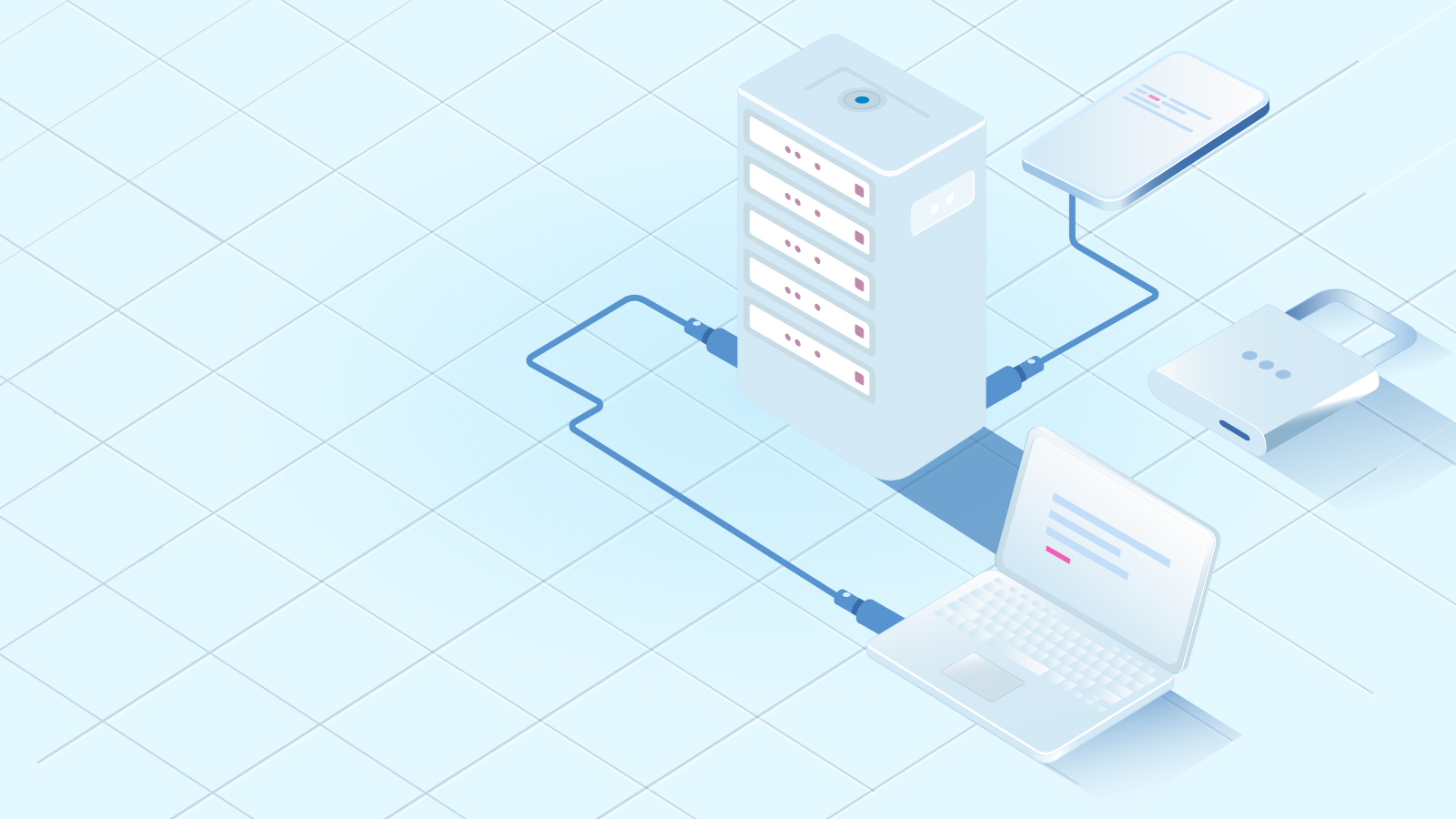
Digital substations and log collection
European electric power system operators supply around 2800 TWh of electricity per year and manage around 10 million kilometers of power lines - more than ten round trips to the Moon. Such electric travel is impossible without electric substations, an essential component of a power grid. Its automation becomes ultimately digitalized, so requires proper monitoring both for operational and security purposes. Let’s take a look at how a unified log collection pipeline embeds into power automation systems and helps make sure the lights stay on.
Critical infrastructure | Telemetry auditing | Telemetry collection
Log management for maritime cybersecurity compliance regulations
Historically, seaports have played a crucial role in a state’s development, and interruption in their services has a significant impact on economics. So, it’s no surprise commercial ports are regarded as a critical transport infrastructure.
One of the most significant challenges ports face today is ongoing digital transformation. The majority of tasks carried out across a port utilize autonomous and partially automated systems, including those for managing port access, vessel berthing (bridges, locks, gates, etc.
Critical infrastructure | Infrastructure monitoring
The EU's response to cyberwarfare
With open war in Europe for the first time since 1945, nations across the continent have been busy shoring up their information security defenses. The European Union is stepping up to the plate, releasing a Cyber Defence Policy to, in its words, "boost EU cyber defence capabilities and strengthen coordination and cooperation between the military and civilian cyber communities."
However, bolstering cyber defenses across a collection of countries, home to 450 million people and spanning four million square kilometers, is no easy feat.
Critical infrastructure
Cyberattacks on the power grid - are you prepared?
In light of recent news stories about possible cyberattacks on the U.S. power grid, we are inclined to ponder over precautions we can take to prepare for such a scenario. If you are in the public utilities industry, this blog post is for you. But, if you’re not, don’t worry. We will cover some basic principles you can follow to get your organization ready before such a cyberattack occurs.
Follow us



© Copyright NXLog Ltd.