
Windows | Telemetry collection | Telemetry auditing
USB device auditing on Windows: event IDs, tools, and blocking
USB device auditing on Windows means tracking three things: when a device connects, what files move to or from it, and whether your device-control policy stopped what it was supposed to stop. Windows can record all three. Almost none of it is enabled by default.
Honeywell’s 2025 Cyber Threat Report counted 1,826 unique USB-borne threats in the first quarter of 2025 alone, including 124 that were completely new. These findings came from Secure Media Exchange scanning stations at industrial sites.
Windows | Telemetry collection | Telemetry auditing
Windows Task Scheduler event IDs: auditing scheduled task creation and abuse
Windows records scheduled task activity in two separate event logs. The Security log holds event IDs 4698-4702, covering task creation, deletion, turning on, turning off, and updates, with the full task definition XML attached. The Microsoft-Windows-TaskScheduler/Operational log holds event IDs 106, 140, and 141 for registration changes, plus 100, 200, and 201 for execution. Windows doesn’t switch on either source by default: Microsoft’s own Tarrask analysis states that "neither of these are audited by default and must be explicitly turned on by an administrator.
Windows | Telemetry collection | Telemetry auditing
Sysmon event IDs: what to collect for threat detection
Sysmon fills the visibility gaps that default Windows auditing leaves open — but only if you collect the right event IDs. Here’s the complete event ID reference, my recommended collection tiers for threat detection, and working configurations for getting Sysmon data off the endpoint with NXLog Agent.
Sysmon (System Monitor) is a free Microsoft tool — a Windows system service and device driver — that logs detailed system activity, such as process creation, network connections, and registry changes, to the Windows Event Log.
Financial services | Telemetry pipeline management | Telemetry auditing
Why the SIEM is the wrong layer to solve compliance: a pipeline-first framework for financial services
When an auditor sits down with your team, they don’t ask whether you have a SIEM. They ask you to prove something: show me every privileged access event on this system for the last twelve months, timestamped, complete, and unaltered. Compliance in financial services isn’t a posture; it’s an evidence problem. And the moment you treat your SIEM as the place where evidence lives, you’ve put your audit trail on the most expensive, most volatile, and least complete layer of your stack.
Windows | Telemetry collection | Telemetry auditing
From 4688 to 1102: The Windows event IDs that matter for threat detection
Most Windows detection programs are anchored on a small set of well-known event IDs: 4624, 4625, maybe 4688 if process creation auditing is turned on. The events that actually describe an intrusion (the new service, the scheduled task, the explicit credential, the share enumeration) live elsewhere on the same host, often on channels that are not enabled by default. We have written before about why a 4625-only mindset leaves most of the attack chain in the dark; this post is the catalog that picks up where that argument ended.
NIS2 | HIPAA | PCI DSS | Windows | Telemetry collection | Telemetry auditing
NIS2, HIPAA, PCI DSS: What compliance means when you can't upgrade your OS
Compliance frameworks don’t have a checkbox for "we know it’s a problem, but we can’t afford to fix it right now." Yet that’s the position thousands of organizations find themselves in — bound by regulation to meet security standards that their operating systems are physically incapable of supporting.
If you run Windows XP, Server 2003, or any other unsupported OS in a regulated environment, the compliance obligation doesn’t go away just because the upgrade path is blocked.
Telemetry auditing
Identity and Access Management (IAM): Guide for 2026
Imagine a typical company: employees join, they move between offices and departments, then they leave. Each of these changes requires a systems access update for email, databases, internal tools, and more. Manually managing these transitions can be burdensome and error-prone. And where you have errors, you have inefficiencies and exposure to security breaches — neither of which is good for your business.
This is where Identity and Access Management (IAM) comes in.
Telemetry auditing | Prometheus | Grafana
Gaining valuable host performance metrics with NXLog Platform
What are performance metrics and why are they important? IT and security systems don’t just generate logs; they also produce extremely valuable performance data that helps ensure the health and stability of your business infrastructure. Host-level performance metrics provide visibility into key resources, such as:
CPU usage — Helps identify over-utilization, process bottlenecks, or underused resources.
Memory usage — Indicates whether applications are consuming excessive RAM or leaking memory over time.
Telemetry auditing | Telemetry collection
Security Event Logs: Importance, best practices, and management
Understanding security event logs for stronger cybersecurity.
Whether a multinational corporation or a small business, organizations face ever-increasing risks of data theft, insider threats, and system intrusions. In 2025, the security landscape is further complicated by the growing influence of artificial intelligence, as cybercriminals are leveraging AI to enhance the sophistication and scale of attacks. One of the most powerful tools for detecting and responding to attacks is the humble security event logs.
Telemetry pipeline management | Telemetry auditing
Monitoring NXLog Agent with Zabbix using the Agent Management API
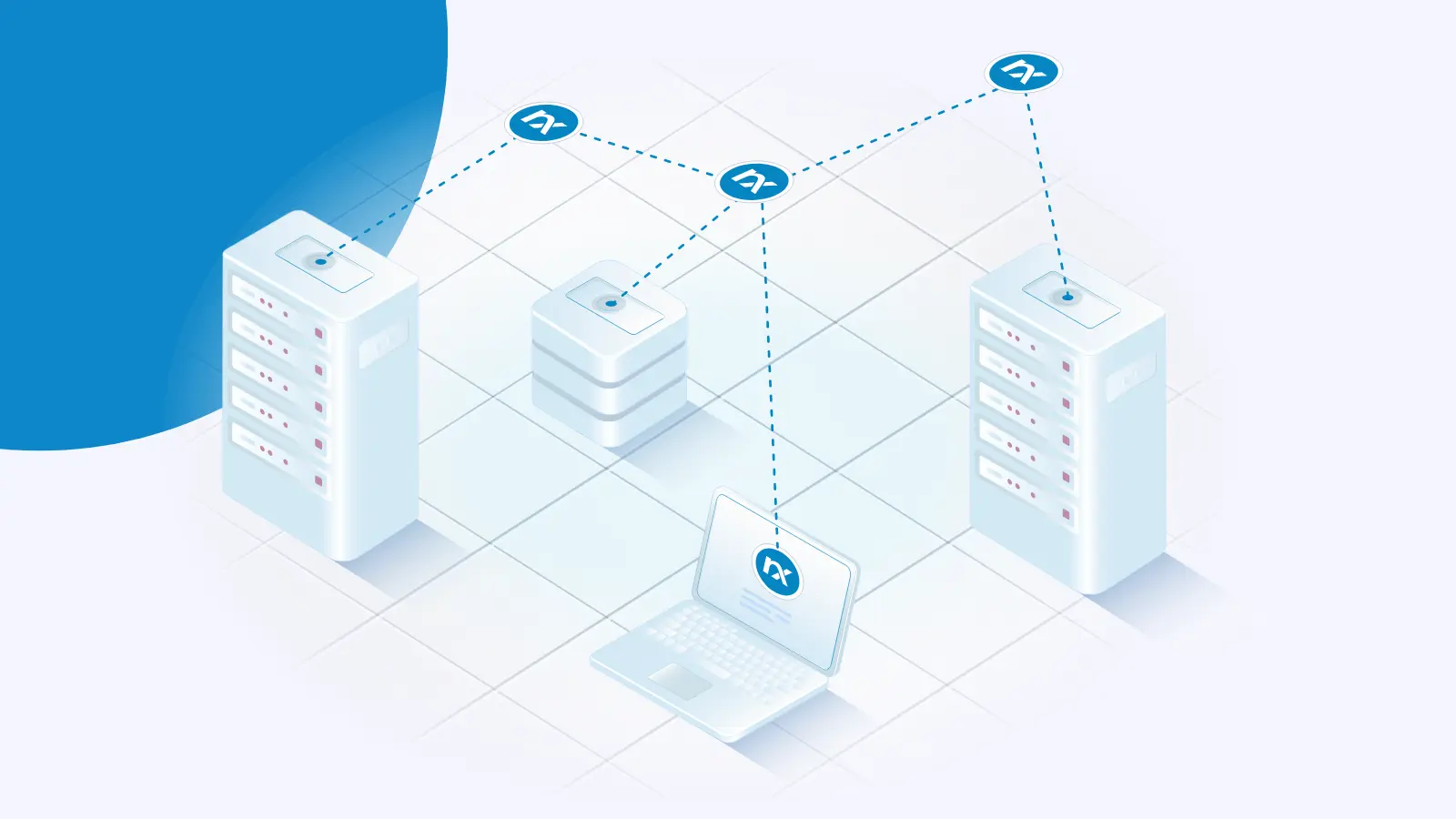
NXLog Agent plays a vital role in aggregating, processing, and forwarding logs to centralized platforms for analysis. Whether it’s system logs, application logs, or security audit trails, these agents are often the first line of visibility into what’s happening in your environment.
In many setups, especially large-scale infrastructures, NXLog Agent relays act as crucial intermediaries, collecting logs from edge systems and forwarding them to a SIEM or log analytics platform.
Telemetry auditing | Telemetry collection
GLBA Compliance in 2024 - Reporting directly to the FTC
The U.S. Federal Trade Commission (FTC) approved amendments to its Safeguards Rule that require FTC-regulated non-banking financial institutions to report data breaches and other security events directly to the FTC. It was originally proposed to add a breach notification requirement back in late 2021. The rule requires financial institutions to report “notification events” to the FTC within 30 days of discovery of the notification event where the private information of 500+ consumers is involved.
Centralized logging | Telemetry auditing
The story of the $1,900,000 penalty for insufficient log management
It was late March 2021 when a phishing email was sent to a network administrator of TTEC Healthcare Solutions, Inc. (TTEC HS) - an integrated healthcare CX solutions provider - and a threat actor gained highly privileged access to the network. On September 12, 2021, a common ransomware scenario was triggered, with approximately 1,800 devices compromised via the access channel obtained almost 5 months earlier.
Prior to executing the ransomware attack, the threat actor successfully exfiltrated data from the TTEC HS network, containing non-public information (NPI) of current and former employees of TTEC HS, and for individuals who were insured by one of TTEC HS’s clients, including, importantly, some New York residents.
Critical infrastructure | Telemetry auditing | Telemetry collection
Log management for maritime cybersecurity compliance regulations
Historically, seaports have played a crucial role in a state’s development, and interruption in their services has a significant impact on economics. So, it’s no surprise commercial ports are regarded as a critical transport infrastructure.
One of the most significant challenges ports face today is ongoing digital transformation. The majority of tasks carried out across a port utilize autonomous and partially automated systems, including those for managing port access, vessel berthing (bridges, locks, gates, etc.
Observability | Telemetry auditing
The Sarbanes-Oxley (SOX) Act and security observability
SOX - an overview Serious financial fraud was never considered a real risk while investing in U.S.-listed stocks until 2001, when energy giant Enron Corporation, which held $63.4 billion in assets, collapsed. It was revealed that the company had been misleading investors for years and the company’s stock price quickly plummeted from $90 to less than $1 per share. It was the largest bankruptcy in US history, followed by a $40 billion lawsuit and imprisonment for the corporation’s executives.
FIM | Telemetry auditing | Windows
How to monitor file access in Windows
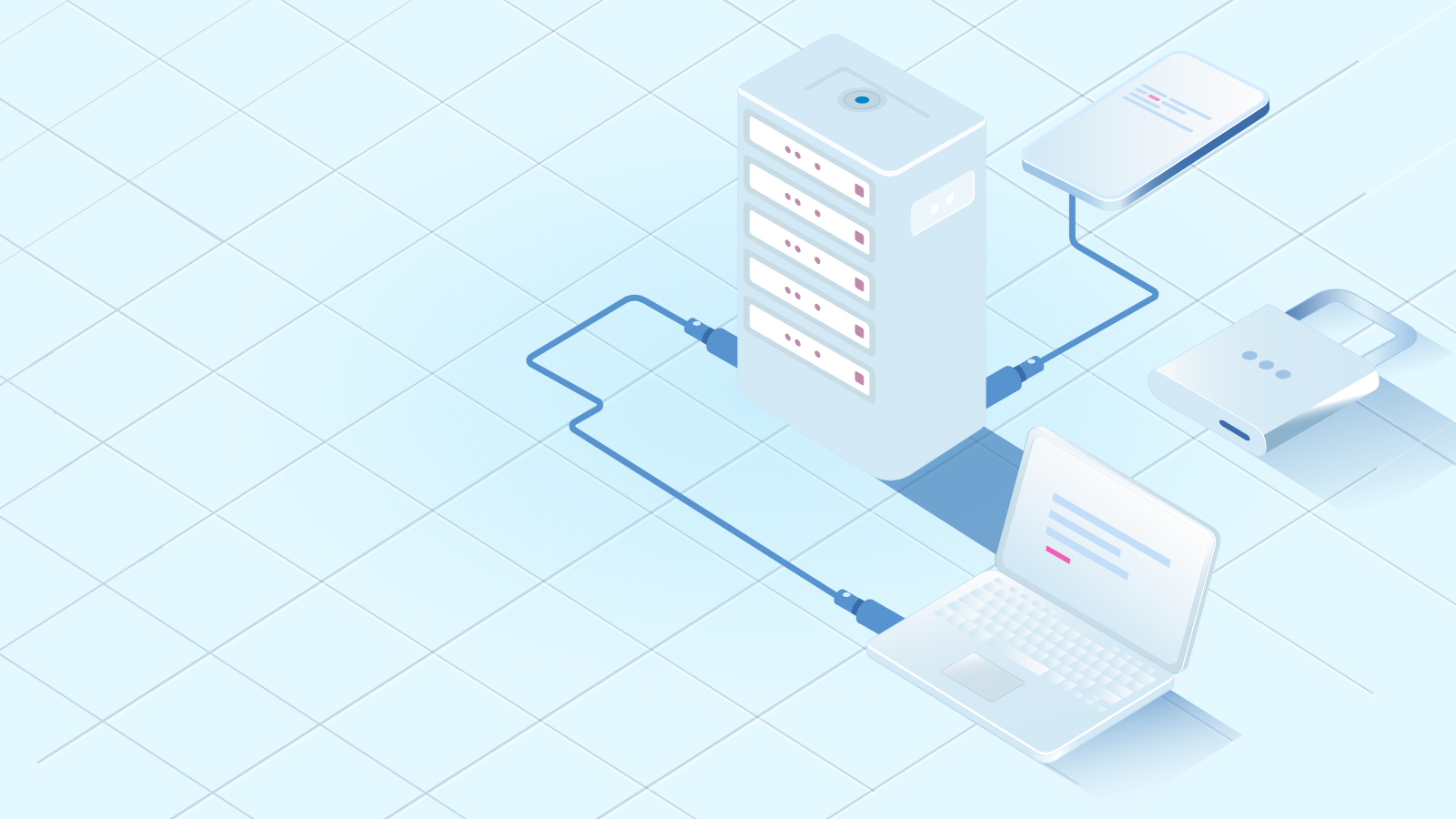
File access auditing is the process of tracking who reads, modifies, or deletes files on a system, providing a record of user activity for security and compliance purposes. On Windows systems, this is especially important for monitoring sensitive or business-critical files, such as financial records, HR data, or confidential customer information, where unauthorized access could result in a data breach or regulatory violation.
In this post, I’ll show you how to enable file access auditing on Windows and use NXLog Agent to collect and forward file access events to help you protect sensitive data and meet compliance requirements.
Infrastructure monitoring | Telemetry auditing
BROP attacks - What is it and how to defend yourself?
Have you ever locked yourself out of your car? After calling for roadside service, your tow truck driver forces the internal locking mechanism open with a slim-jim. Car thieves quickly discovered this technique and began using it to steal cars. Digital thieves have devised a similar attack called a Blind Return-Oriented Programming (Blind ROP, or just BROP) attack. It’s as quiet as a jackhammer on cement, but an attacker can open a remote shell and gain remote code execution on your server if the conditions are right.
Telemetry auditing | Telemetry collection
How NXLog can help meet compliance mandates
Compliance mandates are frameworks that organizations must implement to meet industry regulations. Some of these mandates provide guidelines and best practices, while others may be tied to legislation. With the constant and rapid changes in technology, ensuring that your organization adheres to the relevant regulations is an ongoing process.
So why should you comply? Simply put, not complying might cost you more than implementing processes to meet regulatory requirements. By not complying, you might be violating the law, and in case of a data breach, you may face litigation from affected parties.
Telemetry auditing | Windows
Understanding and auditing WMI
If you’re a cyber security enthusiast, you’ve probably heard a lot about Windows Management Instrumentation (WMI) lately. There’s a good reason why this topic has gained popularity, however, this technology has been integrated into Windows operating systems for over 20 years now. In this blog post, we will delve into how WMI works, the risks resulting from misuse, and how to audit it with NXLog.
A standardization effort The first thing to clarify about WMI is that it’s not a Windows-only technology.
Telemetry collection | DHCP | Telemetry auditing | Windows | Event Tracing for Windows
Collecting DHCP server logs on Windows
DHCP server log collection made simple DHCP (Dynamic Host Configuration Protocol) is a network management protocol that dynamically assigns IP addresses to each client machine on your network. However, its importance does not stop there. DHCP can even generate numerous critical events that indicate your network’s security has been compromised.
You might then wonder how you can use these events to safeguard your organization from intrusion. Well, these event logs store valuable information that contain the ID and IP address associated with each client.
Telemetry auditing
Insufficient logging and monitoring, TOP 10 security risk
"The OWASP Top 10 is a standard awareness document for developers and web application security. It represents a broad consensus about the most critical security risks to web applications."
In this article these top security risks discussed in the context of log collection.
OWASP API security top 10 most critical API security risks APIs are a critical part of modern technologies - from SaaS and web consumer applications to enterprise deployments.
Follow us



© Copyright NXLog Ltd.